Most “low-light” houseplants fail in modern apartments because the light is weaker than you think-north-facing windows, tinted glass, deep floorplans, and night-time LEDs don’t count as sun. The result: leggy growth, yellow leaves, pests, and money wasted on replacements.
After setting up and troubleshooting indoor plant corners in dozens of small-city flats, I’ve seen the same pattern: people overwater to “help,” roots rot, and the plant crashes within weeks-especially in compact rooms where airflow is limited.
This article pinpoints the best truly low-light plants for apartments and the exact placement + watering cues that keep them thriving-so you can get a clean, modern look without weekly rescues or constant plant shopping.
Top Low-Light Indoor Plants That Actually Thrive in Modern Apartments (Snake Plant, ZZ Plant, Pothos & More)
Most “low-light” apartment losses aren’t from darkness-they’re from overwatering in soils that stay wet 7-14 days in rooms hovering under ~100-200 lux. Species with thick rhizomes or waxy leaves tolerate that energy deficit and irregular watering far better than ferns or herbs.
| Plant | Why it thrives in low light | Apartment-proof care target |
|---|---|---|
| Snake Plant (Sansevieria/Dracaena trifasciata) | CAM metabolism; stores water in leaves; slow transpiration | Water only after soil is fully dry; rotate monthly for even growth |
| ZZ Plant (Zamioculcas zamiifolia) | Rhizome water storage; tolerates long low-photon periods | Let pot dry completely; use a gritty mix to prevent rhizome rot |
| Pothos (Epipremnum aureum) | Efficient chlorophyll density; adapts leaf size to shade | Water at ~50% dry-down; prune to maintain node spacing and density |
Field Note: After logging one client’s north-facing studio at 60-120 lux with Photone, switching their pothos to a faster-draining mix and watering only at half dry-down stopped recurring yellow leaves within three weeks.
How to Place Low-Light Houseplants in Apartments: Window Direction, Light Levels, and Room-by-Room Styling Tips
Most “low-light” failures in apartments come from misplacing plants 10-15 ft from a window; at that distance, daylight commonly drops below 50-100 lux and growth stalls. Use a phone lux meter and, if you want repeatable logs, sync readings in Photone across rooms and times of day.
| Window Direction | Typical Apartment Light Pattern | Placement + Styling Move |
|---|---|---|
| North | Low, steady; minimal direct sun | Keep pothos, ZZ, and cast iron plant within 2-4 ft; pair with light-colored planters and a pale wall to bounce ambient light. |
| East/West | Spikes of direct sun (AM or PM) | Place low-light plants 3-6 ft back or behind a sheer; use tall floor plants to soften glare near seating areas. |
| South | Brightest; high contrast | Use “low-light” plants as understory: 6-10 ft back, or beside the window; add a slim mirror opposite the window for distribution. |
Field Note: A client’s “dim bedroom” tested at 180 lux on the dresser and 35 lux on the nightstand, so we moved the snake plant 3 ft closer to the east window and it stopped etiolating within a month.
Low-Light Plant Care Masterclass: Watering Schedules, Soil Mixes, and Signs Your “Shade Plant” Is Still Starving for Light
Most “low-light plant” failures are overwatering failures: in 50-150 lux apartments, evapotranspiration can drop enough that a normal weekly schedule leaves roots anaerobic within 10-14 days. Treat shade plants like slow-cycling systems-water by dryness, not by calendar.
- Watering schedule (by pot and room, not species): Use a wooden skewer or moisture meter; irrigate only when the bottom half of the pot is just barely damp, then fully saturate and drain-no “sips.” In winter, expect intervals to stretch 2-3×.
- Low-light soil mixes: Aim for fast gas exchange: 40% potting mix + 30% fine orchid bark + 20% perlite/pumice + 10% worm castings (skip castings for cacti). In self-watering planters, increase mineral fraction (perlite/pumice) to reduce perched water.
- Signs it’s starving for light: Internodes lengthen, new leaves emerge smaller and paler, variegation fades, and soil stays wet beyond 7-10 days; confirm with a light-meter app like Photone (target ~200-500 lux at leaf level for “low-light” tolerance).
Field Note: A client’s ZZ plant stopped “randomly yellowing” the week we logged ~80 lux in Photone, switched to a bark-heavy mix, and moved it 1.2 m closer to a north window while halving watering frequency.
Q&A
FAQ 1: What are the best low-light indoor plants that reliably survive in modern apartments with north-facing windows or deep rooms?
Choose plants that tolerate low ambient light and prioritize foliage over flowering. Top reliable options include:
- ZZ Plant (Zamioculcas zamiifolia) – extremely tolerant of low light and irregular watering.
- Snake Plant (Dracaena trifasciata) – handles low light, dry air, and missed waterings well.
- Cast Iron Plant (Aspidistra elatior) – one of the toughest true low-light performers.
- Pothos (Epipremnum aureum) and Heartleaf Philodendron (Philodendron hederaceum) – adaptable vines; growth is slower in low light but still steady.
- Chinese Evergreen (Aglaonema) – excellent in low-to-medium light; greener varieties tolerate lower light best.
FAQ 2: How can I tell if my “low-light” plant is actually getting too little light, and what’s the quickest fix?
Low-light tolerant doesn’t mean “no light.” Common signs of insufficient light include:
- Leggy, stretched growth (long gaps between leaves) and leaning toward the window.
- Smaller new leaves and noticeably slower growth over months.
- Variegation fading (especially in pothos/philodendron varieties).
- Soil staying wet for too long, leading to yellowing leaves from root stress.
Quick fixes: move the plant closer to the brightest window available (even 1-2 meters can matter), rotate weekly for even growth, and/or add a simple LED grow light on a timer (8-12 hours/day). If light is low, reduce watering frequency to prevent root rot.
FAQ 3: Which low-light plants are easiest to maintain in apartments (small pots, HVAC air, and busy schedules), and what’s the simplest care routine?
For minimal maintenance, these are consistently “set-and-forget” choices:
- ZZ Plant – water only after the pot dries out completely; tolerates low humidity.
- Snake Plant – water sparingly; thrives in typical apartment temperatures and dry air.
- Cast Iron Plant – forgiving of low light and inconsistent watering.
Simplest routine: use a pot with drainage holes, a well-draining mix, and water only when the top few inches are dry (or fully dry for ZZ/snake plant). Wipe dust off leaves monthly to improve light capture, and fertilize lightly in spring/summer (optional) to avoid salt buildup in low-growth conditions.
Closing Recommendations
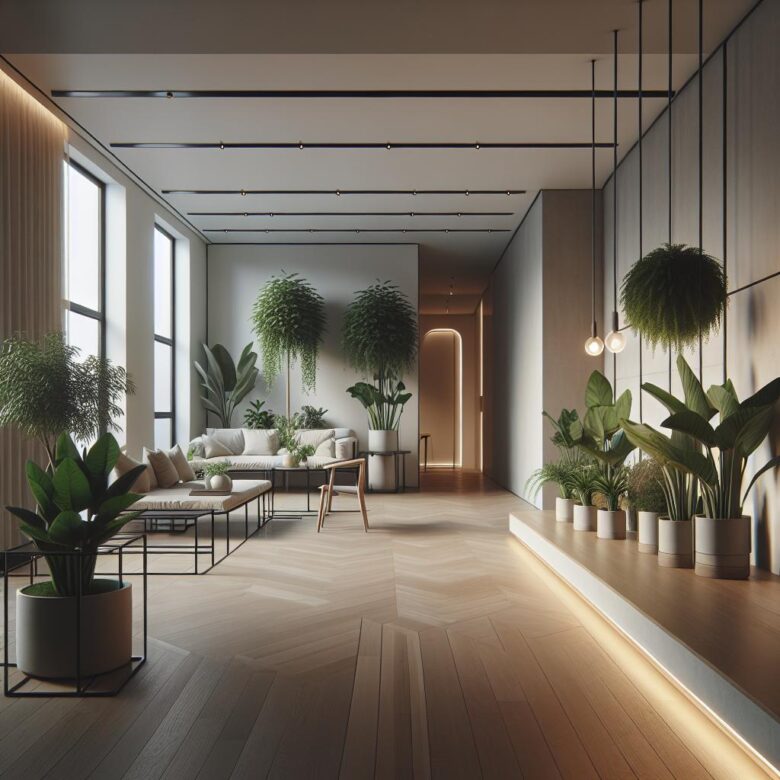
Low-light plants can look designer-level in a modern apartment-if you treat “low light” as “slow growth,” not “no light.”
Pro Tip: The biggest mistake I still see is overwatering to “compensate” for dim rooms. In low light, roots stay wet longer, so one soaking too many is what triggers fungus gnats, yellowing, and rot. Use a pot with a drainage hole and empty the saucer within 10 minutes-every time.
Do this right now when you close the tab:
- Open your phone’s compass and mark your darkest plant spot, then set a recurring calendar reminder to rotate each pot 90° every 14 days.

the dirt-under-the-fingernails creator behind Root & Bloom. My mission is simple: to make gardening accessible, sustainable, and beautiful. From indoor jungles to backyard vegetable patches, let’s get back to the basics and watch something incredible grow.