
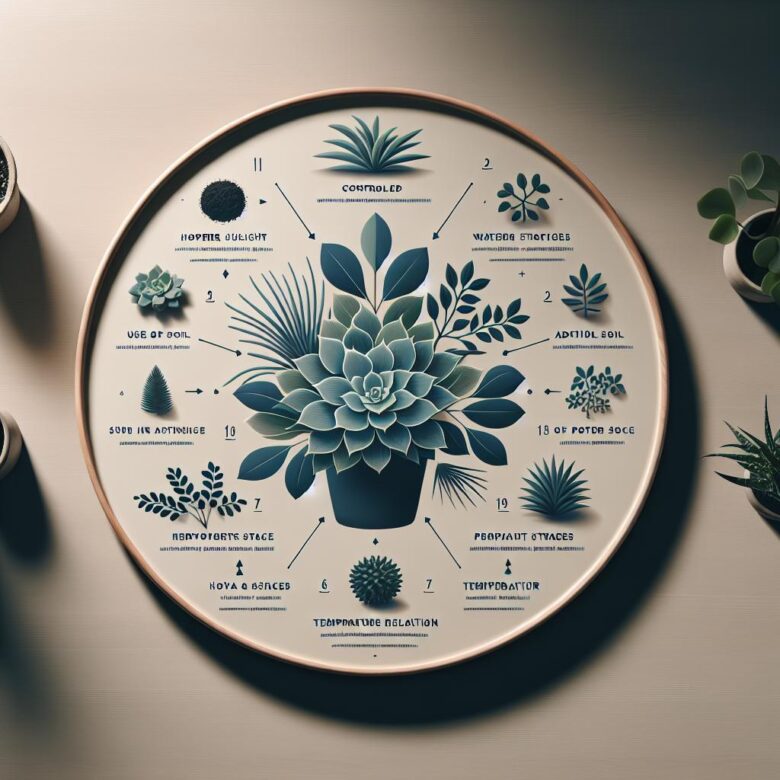
Maintain healthy indoor succulents by ensuring bright light, fast-draining soil, deep but infrequent watering, airflow, stable temperatures, pot drainage, and routine pest checks to prevent rot and stress.
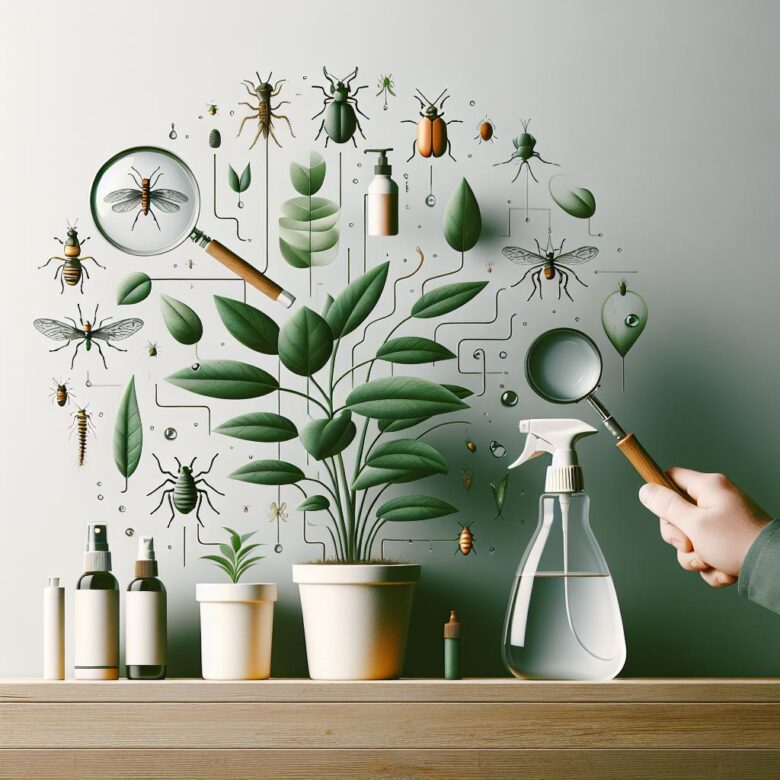
Spot pests by sticky leaves, speckling, webbing, or cottony clusters. Treat naturally with a soap spray, neem oil, and manual removal; isolate plants and repeat weekly until clear.
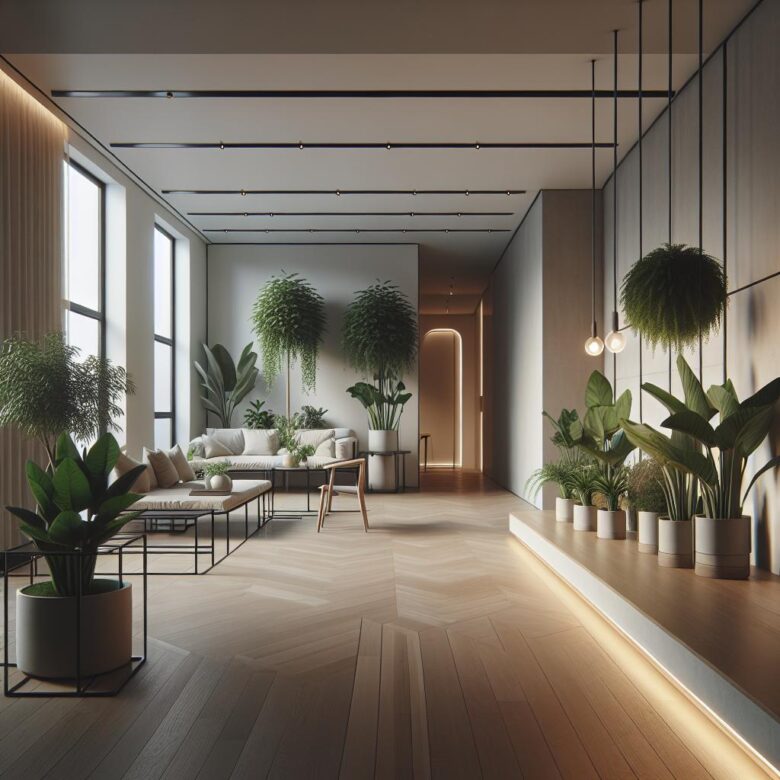
Low-light picks for modern apartments:
- Snake plant
- ZZ plant
- Peace lily
- Pothos

Organic fertilizers build soil structure and microbiology, while synthetics deliver fast, precise nutrients but can weaken long-term soil health if overused. Choose based on goals and soil tests.
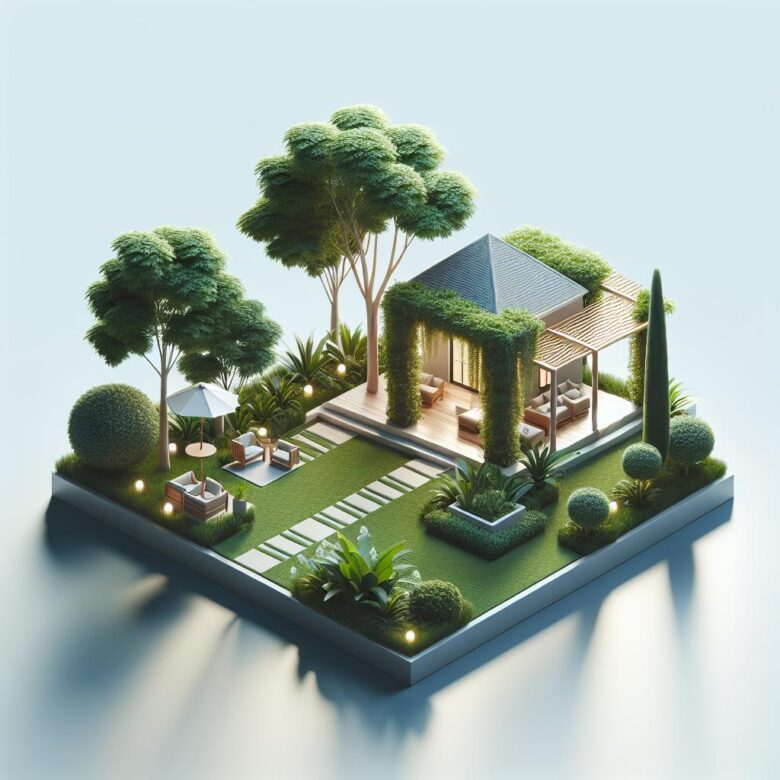
Low-maintenance landscaping boosts curb appeal and value: use drought-tolerant natives, defined edging, gravel or mulch beds, and drip irrigation for a clean, upscale look with minimal upkeep.

Build a professional-grade drip system by sizing pressure, filtering water, and zoning by plant needs. Use pressure-compensating emitters, flush valves, and a timer for uniform, reliable delivery.
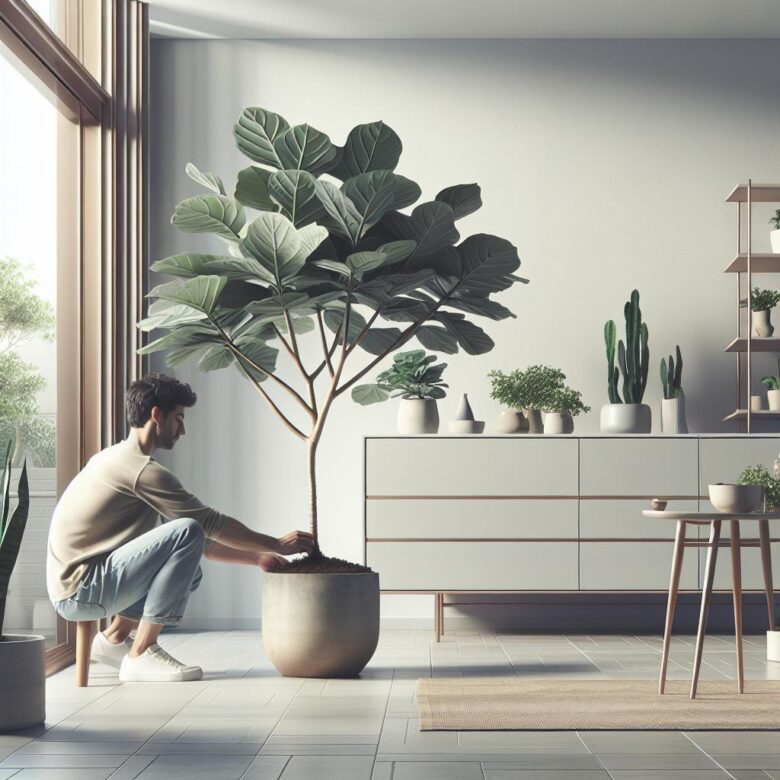
Repot without shock: choose a pot 2-5 cm wider, refresh soil, and keep roots intact. Water lightly after repotting, then pause fertiliser for 2-4 weeks while growth resumes.
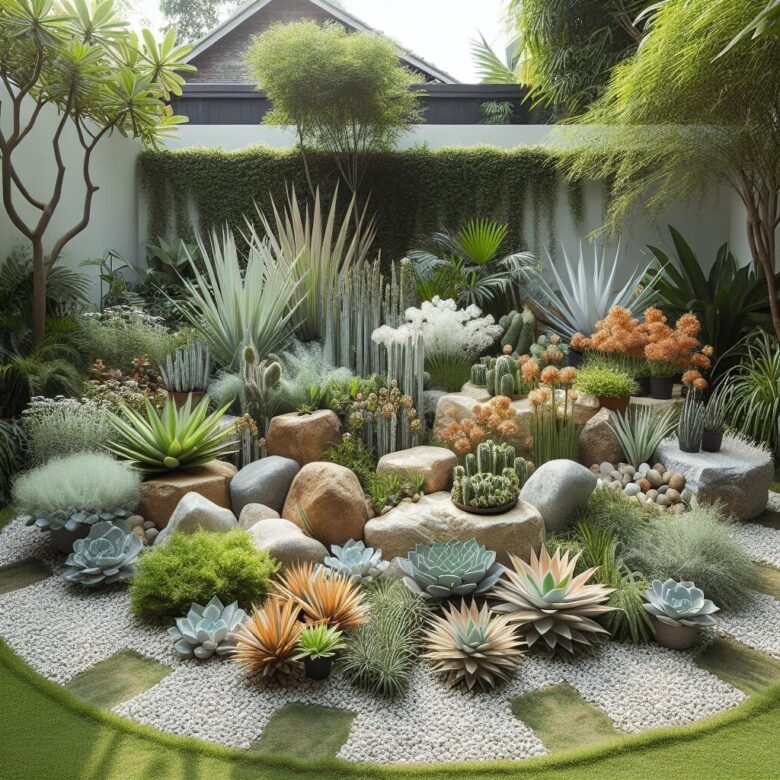
Xeriscaping blends smart planning with drought-tolerant plants. Group by water needs, improve soil with compost, add mulch, and use drip irrigation to cut waste while keeping your garden vibrant.

Harvest heirloom seeds from fully ripe, disease-free plants. Dry thoroughly, then store cool and dark in labeled, airtight containers with a desiccant to preserve viability for next season.
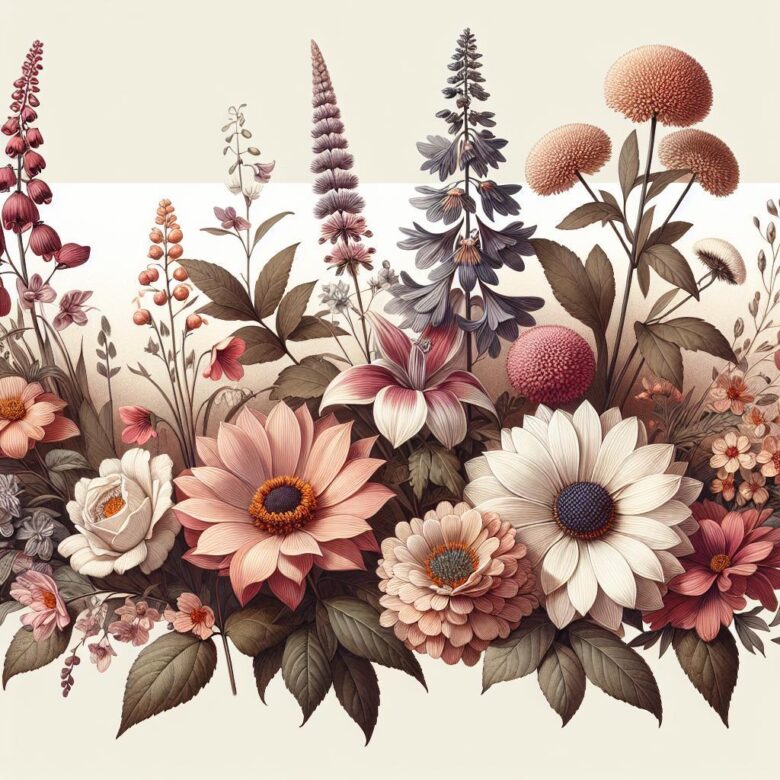
Perennial color is easiest with savvy sequencing: hellebores and iris for spring, coneflower and daylily for summer, asters and sedum for fall, plus evergreen heuchera for winter interest.