
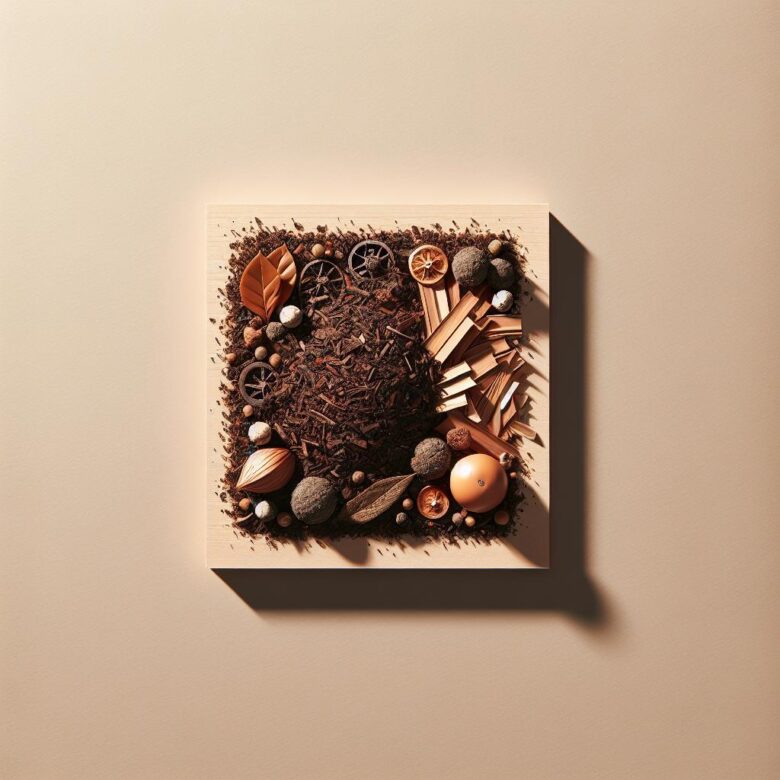
Choose mulch by matching function to your bed: composted bark for weed control, straw for vegetables, leaf mold for soil building, and gravel for arid or heat-tolerant plantings.

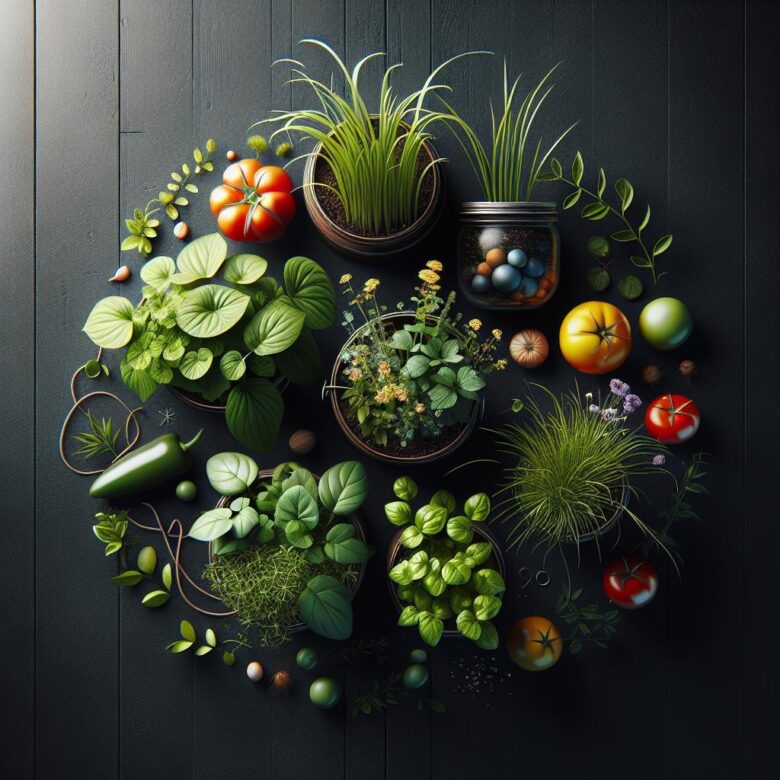
Companion planting pairs crops to deter pests naturally: basil with tomatoes to repel hornworms, marigolds near beans for nematodes, and nasturtiums to lure aphids from brassicas.
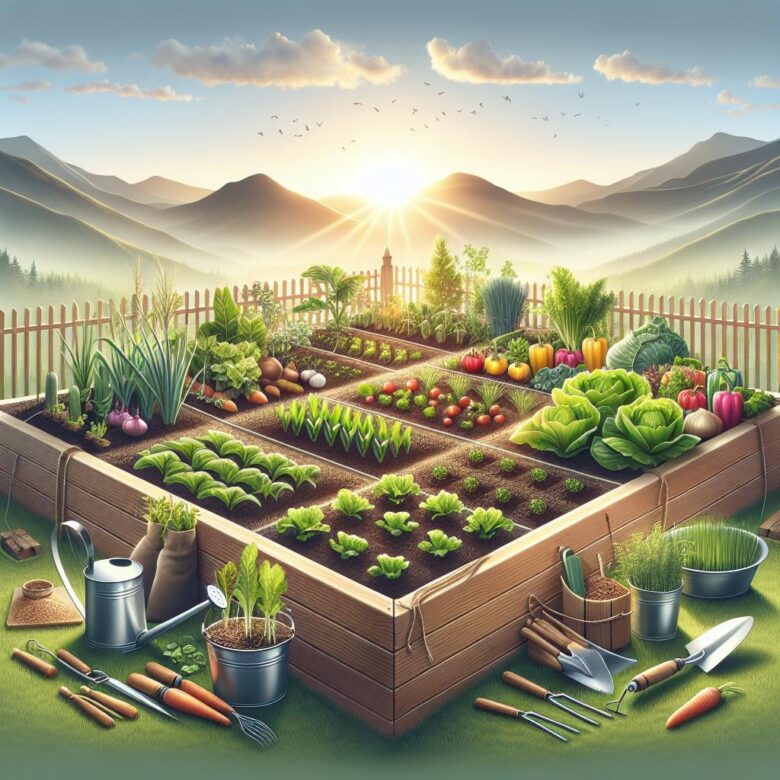
Build a raised bed in full sun, fill with rich compost-soil mix, and plant high-value crops close. Add drip irrigation, mulch, and succession sowing to maximize harvests in minimal space.
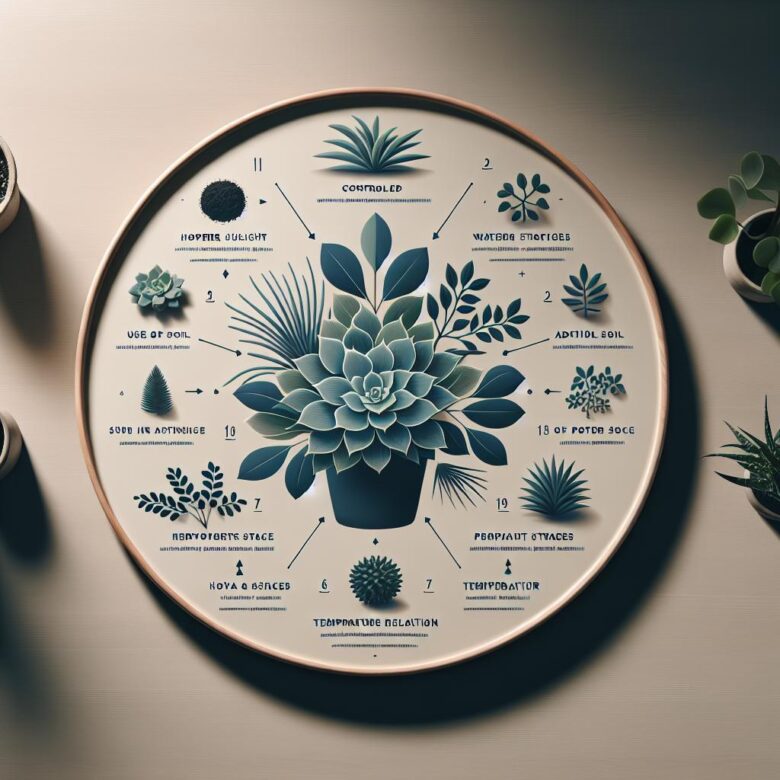
Maintain healthy indoor succulents by ensuring bright light, fast-draining soil, deep but infrequent watering, airflow, stable temperatures, pot drainage, and routine pest checks to prevent rot and stress.
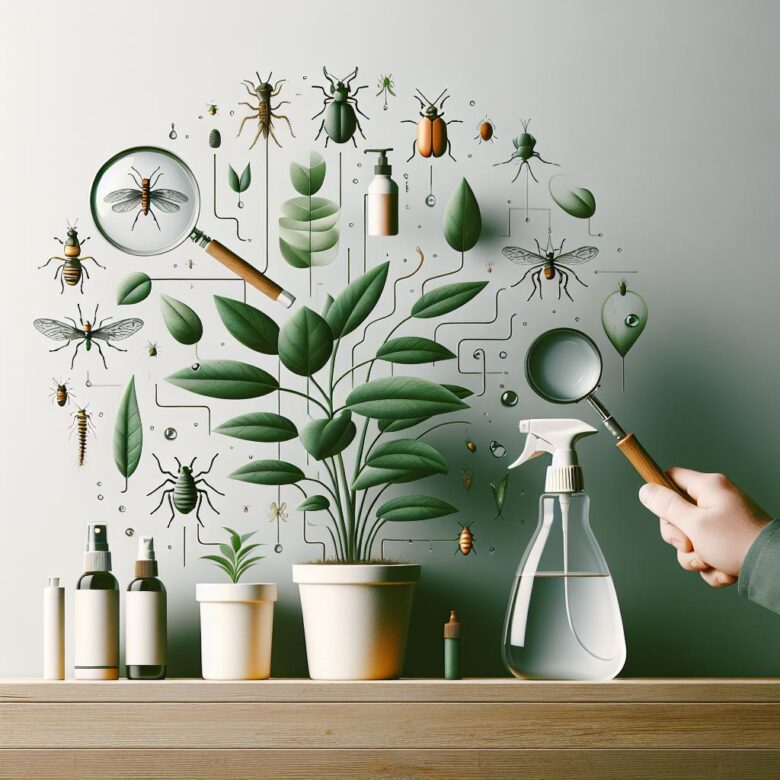
Spot pests by sticky leaves, speckling, webbing, or cottony clusters. Treat naturally with a soap spray, neem oil, and manual removal; isolate plants and repeat weekly until clear.
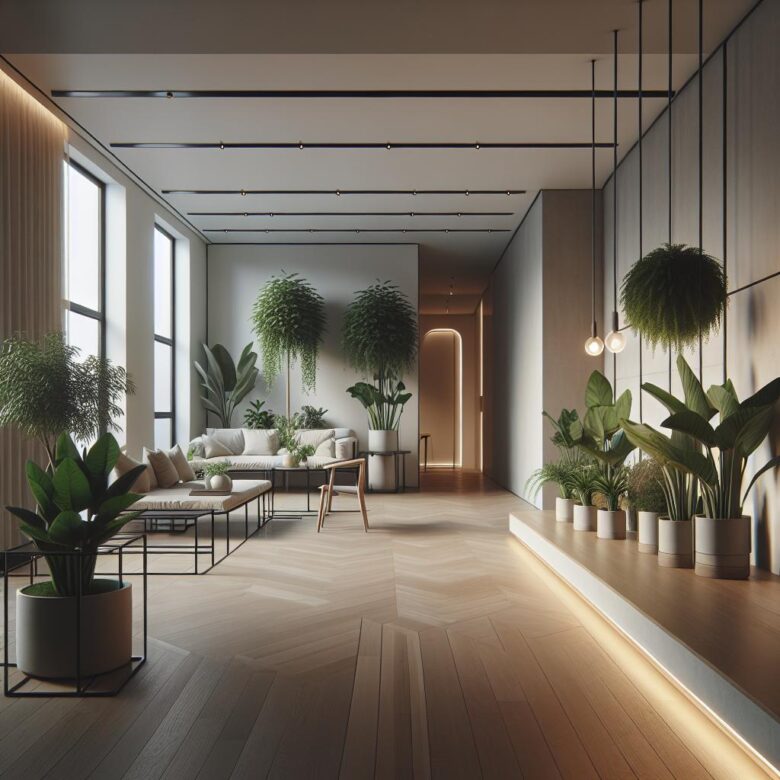
Low-light picks for modern apartments:
- Snake plant
- ZZ plant
- Peace lily
- Pothos

Organic fertilizers build soil structure and microbiology, while synthetics deliver fast, precise nutrients but can weaken long-term soil health if overused. Choose based on goals and soil tests.
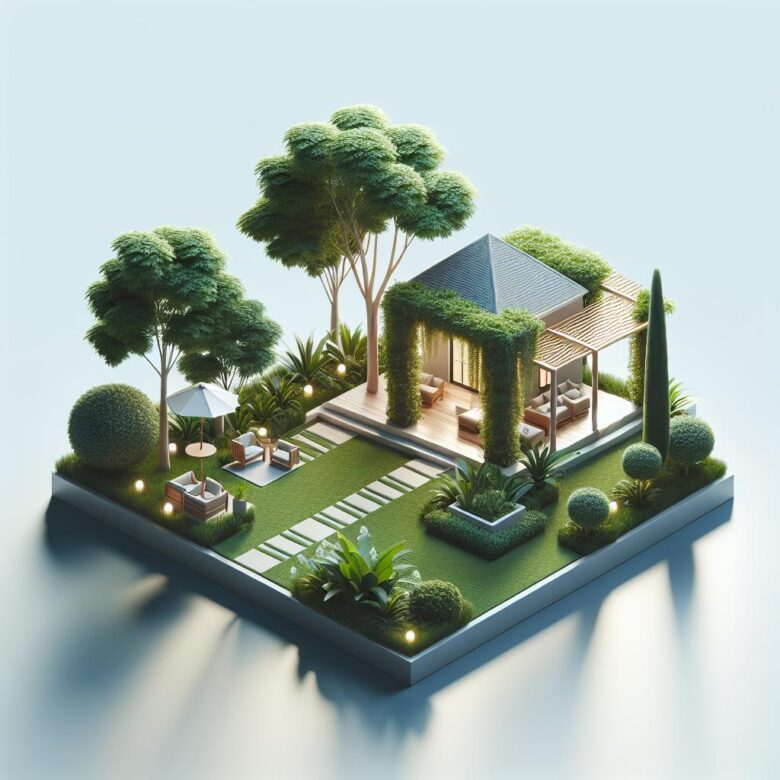
Low-maintenance landscaping boosts curb appeal and value: use drought-tolerant natives, defined edging, gravel or mulch beds, and drip irrigation for a clean, upscale look with minimal upkeep.

Build a professional-grade drip system by sizing pressure, filtering water, and zoning by plant needs. Use pressure-compensating emitters, flush valves, and a timer for uniform, reliable delivery.
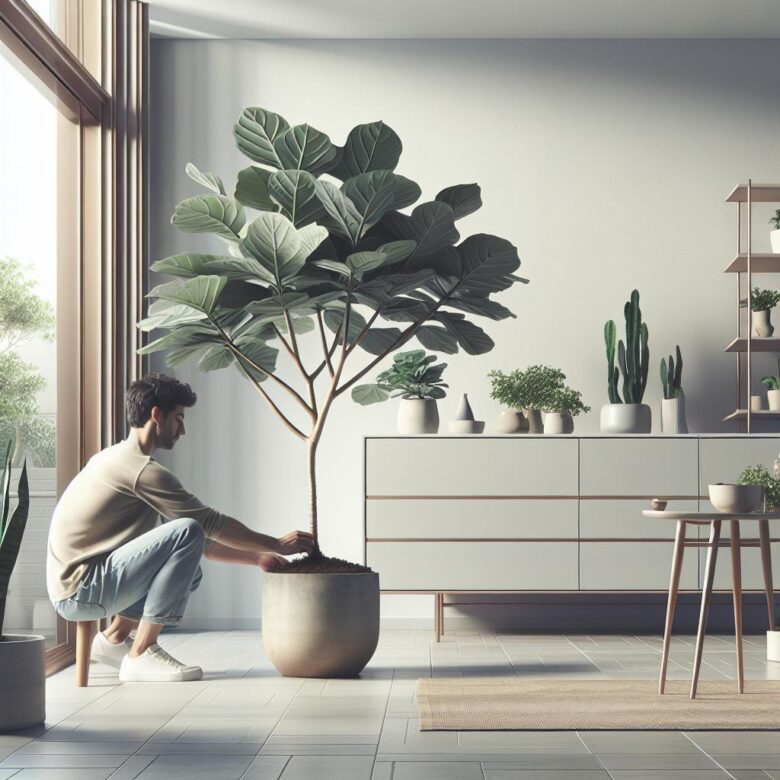
Repot without shock: choose a pot 2-5 cm wider, refresh soil, and keep roots intact. Water lightly after repotting, then pause fertiliser for 2-4 weeks while growth resumes.