
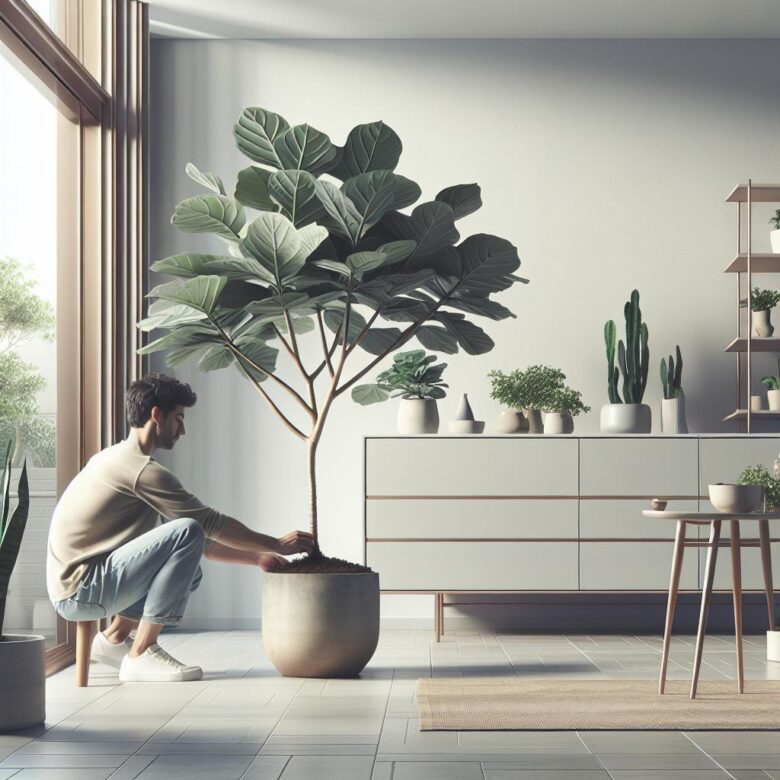
One rushed repotting can snap roots, stall growth for weeks, and trigger the slow decline most people mistake for “picky plants.” The damage is often invisible until leaves yellow, pests move in, and you’re buying replacements instead of enjoying a thriving indoor jungle.
The Small Repotting Adjustments That Made a Big Difference for Me
From my own experience, most repotting problems don’t come from doing something completely wrong, but from small details that seem harmless at the time. I used to think moving a plant into a bigger pot would always help it grow faster, but I quickly learned that too much space can actually slow things down and even lead to root issues. After a few mistakes, I started paying more attention to how the soil dries and how the plant reacts in the first week instead of assuming everything went well.
One simple habit that improved my results was lifting the pot after watering to understand its weight, then checking again a few days later. This helped me avoid overwatering, especially right after repotting when the roots are still adjusting. I also realized that less interference is often better, handling the roots gently and avoiding unnecessary pruning made recovery much smoother in most cases.
I’ve learned that a successful repot isn’t about doing more, it’s about doing just enough and letting the plant recover at its own pace.
After repotting hundreds of houseplants-rescuing everything from root-bound monsteras to waterlogged succulents-I’ve learned the stress usually comes from avoidable timing, pot choice, and soil-handling mistakes. Ignore them, and you pay in wasted weekends, wasted soil, and plants that never fully rebound.
This guide gives you a repeatable, no-panic repotting system: how to spot the right moment, choose the correct pot and mix, protect roots during the move, and lock in aftercare so your plant resumes growth fast-without droop, shock, or guesswork.
When to Repot Indoor Plants: Root-Bound Warning Signs, Seasonal Timing, and Plant-by-Plant Exceptions
Most repotting failures come from timing: moving a plant that isn’t root-bound can stall growth for 4-8 weeks, while leaving a true root-bound plant can cause chronic drought stress even with frequent watering. The mistake is relying on calendar schedules instead of root and substrate diagnostics (I log root fill and dry-down rates in Plantnote).
- Root-bound warning signs: roots circling the pot wall, emerging from drainage holes, or a “pot-shaped” root mass that lifts out intact; water runs down the sides and exits in <30 seconds; leaf size shrinks despite correct light and feeding.
- Seasonal timing: repot during active growth (typically spring to early summer) when roots can re-establish quickly; avoid mid-winter repotting unless there’s rot, pests, or severe hydrophobic substrate.
- Plant-by-plant exceptions: succulents/cacti repot only after full dry-down and preferably warm, bright periods; orchids repot post-bloom when new roots begin; peace lily and pothos tolerate tight pots and often bloom/grow better slightly snug-upsize only 2-5 cm.
Field Note: A client’s fiddle-leaf fig stopped dropping leaves the week we delayed repotting until new buds were visible, then shifted it up just one size after confirming tight root circling at the container edge.
Stress-Free Repotting Step-by-Step: Choosing the Right Pot Size, Soil Mix, Drainage Setup, and Gentle Root Handling
Overpotting is the fastest route to root rot: moving up more than 1-2 pot sizes can keep the root zone wet for days longer than the plant can respire. Most “repotting shock” complaints trace back to an oversized container plus a peat-heavy mix that collapses and suffocates fine roots.
| Repotting Decision Point | Technical Standard | Practical Notes |
|---|---|---|
| Pot size | Increase diameter by 2-5 cm (1-2 in) | Choose a pot with ≥1 unobstructed drain hole; avoid deep “cachepots” unless you use an inner nursery pot. |
| Soil mix + drainage | Airy, fast-draining blend | Start with a quality base, then add 20-40% perlite/pumice or orchid bark; skip rocks at the bottom-use a mesh screen instead. |
| Root handling | Minimum disturbance, targeted corrections | Loosen circling roots, trim only black/mushy sections with sterilized snips, and keep the rootball intact for sensitive species; log outcomes in PlantIn to correlate mix changes with recovery time. |
Field Note: I stopped a client’s recurring fungus gnat cycle by downsizing one “rescued” pothos into a pot only 3 cm wider and swapping to a bark-perlite blend, then lightly teasing just the outer root spiral instead of breaking the entire rootball.
Aftercare That Prevents Shock: Watering + Light Adjustments, Humidity Support, Fertilizer Timing, and Troubleshooting Wilting or Leaf Drop
Most post-repot “shock” is self-inflicted: plants are often watered to saturation and left in full sun, collapsing fine root hairs within 24-72 hours. Assume 7-14 days of reduced uptake and manage inputs accordingly.
| Aftercare lever | What to do | What it prevents |
|---|---|---|
| Watering + light | Water once to settle soil, then wait until the top 2-5 cm dries; move to bright-indirect light for 5-10 days (no hot window glass). | Hypoxia/rot, sudden transpiration spike, limp foliage. |
| Humidity support | Hold 50-65% RH; use a pebble tray or humidifier, and confirm with Inkbird IHC-200; avoid sealing plants in bags unless you vent daily. | Leaf-edge crisping, stalled stomata, fungal flare-ups. |
| Fertilizer + troubleshooting | Delay fertilizing 2-4 weeks; if wilting persists, check for a hydrophobic rootball, overpotting, or a buried crown; remove yellowing leaves only after they fully senesce. | Salt burn, root tip dieback, continued leaf drop. |
Field Note: After a client’s Monstera kept drooping despite “more water,” I found the old peat core stayed dry inside the new mix-five minutes of bottom-soaking and a 7-day light reduction fixed it with zero additional leaf loss.
Q&A
FAQ 1: How do I know my indoor plant actually needs repotting (not just more water or fertilizer)?
Repot when you see clear root or container signals rather than relying on a calendar. Common indicators include:
- Roots circling the pot or growing out of drainage holes
- Water rushing through the pot (hydrophobic or overly root-filled media), causing frequent wilting
- Stunted growth during active season despite proper light and feeding
- Plant popping up or becoming top-heavy/unstable because the root mass has displaced mix
- Media breakdown (sour smell, compaction, poor aeration) even if the roots aren’t severely bound
If only the top 2-5 cm (1-2 in) of soil dries quickly but the pot stays wet deeper down, it’s more likely a watering/aeration issue than “needing a bigger pot.”
FAQ 2: What pot size and soil mix should I use to avoid transplant shock and root rot?
Most indoor plants do best with a modest pot upgrade and a well-aerated mix. Use these rules of thumb:
- Pot size: move up 2-5 cm (1-2 in) in diameter for small/medium plants; 5-8 cm (2-3 in) for large, fast growers. Oversizing is a common cause of rot because extra mix stays wet too long.
- Drainage: choose a pot with drainage holes. Cachepots are fine only if the inner pot drains freely and excess water is emptied.
- Mix selection: match aeration to the plant:
- Aroids (pothos, monstera, philodendron): chunky, airy mix (potting mix + bark + perlite/pumice)
- Succulents/cacti: fast-draining gritty mix (cactus mix plus extra pumice/perlite)
- Moisture-lovers (ferns): moisture-retentive but still aerated (potting mix + some perlite; avoid heavy compaction)
Avoid packing soil down hard; firm lightly to remove large air pockets while preserving pore space for oxygen.
FAQ 3: What should I do immediately after repotting to minimize stress and prevent leaf drop?
Post-repot care should prioritize stable moisture, reduced stressors, and no extra “pressure” on recovering roots:
- Water once thoroughly to settle mix and hydrate roots, then let the plant follow its normal dry-down pattern (don’t keep it constantly wet).
- Hold fertilizer for 3-4 weeks (new or disturbed roots are more sensitive to salt burn).
- Keep light bright but gentle for 7-14 days; avoid harsh direct sun if the plant isn’t acclimated.
- Maintain stable temperature and avoid drafts; sudden swings amplify shock.
- Don’t prune heavily at the same time unless removing damaged roots or dead foliage-stacking stressors increases leaf drop risk.
Some temporary slowdown is normal. If leaves rapidly yellow and the mix stays wet for days, suspect overpotting or insufficient aeration rather than “normal shock.”
Key Takeaways & Next Steps
Repotting should feel like routine maintenance, not a rescue mission. The plant will tell you if you got it right within 10-14 days: steady new growth, firm leaves, and evenly drying soil.
Pro Tip: The biggest mistake I still see is “potting up” and keeping the same watering schedule. A larger pot holds moisture longer; that mismatch fuels root rot. After repotting, water once to settle the mix, then wait until the root zone is genuinely lighter-by weight, not by surface look.
Do this now: start a repot log on your phone and add one entry today.
- Plant name + date
- New pot size and soil mix
- Next check date (7 days) and a photo

the dirt-under-the-fingernails creator behind Root & Bloom. My mission is simple: to make gardening accessible, sustainable, and beautiful. From indoor jungles to backyard vegetable patches, let’s get back to the basics and watch something incredible grow.