
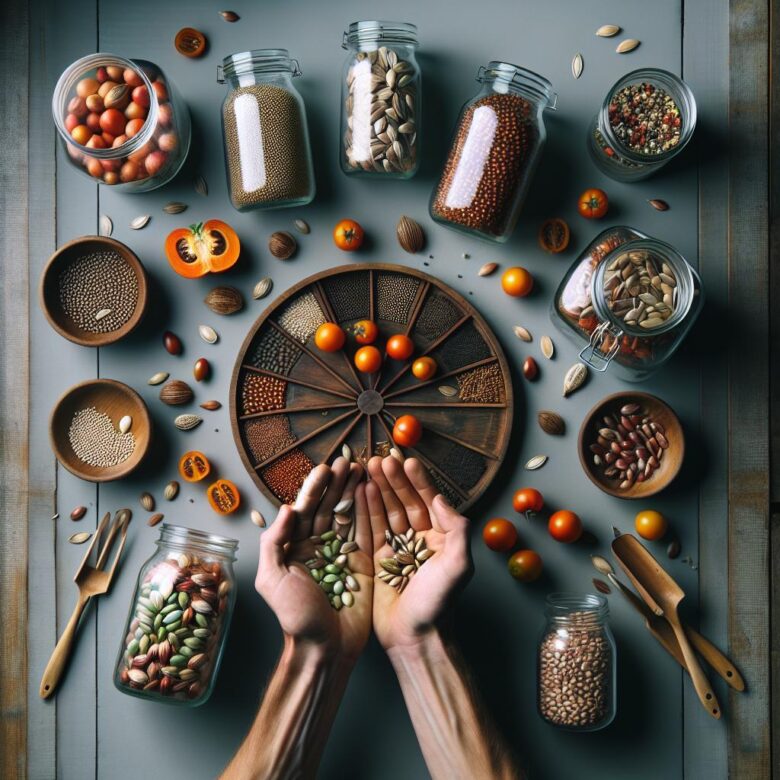
Most saved “heirloom seeds” fail next season because they were harvested too early, cross-pollinated, or stored damp-wasting a year of garden planning and the unique traits you thought you preserved.
What I learned after losing an entire batch of saved seeds
I used to think saving seeds was as simple as letting them dry and storing them in a jar, but I learned the hard way that small mistakes can ruin everything. One season, I carefully saved seeds from what I thought were my best tomatoes, only to find out months later that most of them didn’t germinate. Looking back, I realized I had rushed the drying process and sealed them too soon, even though they felt dry to the touch.
Since then, I’ve been much more careful with the process, especially with moisture control and labeling. What really made a difference was slowing down and giving seeds extra time to dry in a well-ventilated space, instead of relying on how they “feel.” I also started labeling everything immediately, because it’s surprisingly easy to forget details after a few weeks.
In my experience, seeds rarely fail because of the plant, they fail because of how we handle them after harvest.
If I could give one simple piece of advice, it would be this: wait longer than you think before storing your seeds. Even an extra few days of drying can prevent months of disappointment later. It’s a small habit, but it makes the whole process more reliable and saves you from having to start over next season.
After helping growers troubleshoot low germination and off-type plants in seed swaps and home plots, I’ve found the same culprit: sloppy timing and storage. One bad jar or mislabeled envelope can erase a cultivar and cost you money in replanting, soil prep, and lost harvest windows.
This article gives you a field-tested system to harvest at peak maturity, prevent unwanted crosses, dry and clean seed correctly, and store it so viability stays high through next season.
Harvesting Heirloom Seeds at Peak Maturity: Crop-by-Crop Timing, Ripeness Cues, and Weather-Proof Techniques
Harvesting even 7-10 days early is the fastest way to cut germination in half for many heirlooms; the most common mistake is “dry-looking” seed that hasn’t fully hardened. Track parent plants and pollination windows in SeedLinked so you’re harvesting mature seed from true-to-type fruit, not the first ripe ones.
| Crop | Peak-maturity ripeness cues | Weather-proof technique |
|---|---|---|
| Tomato (wet seed) | Fruit fully colored + slightly soft; seeds tan, not translucent | Harvest before heavy rain, ferment 24-48 hrs, then dry on screens with a fan; never oven-dry |
| Bean/pea (dry seed) | Pods rattle, leathery-brown; seed dents resist fingernail | Pull whole plants at 70-80% dry pods, hang under cover; thresh in a tote to avoid re-wetting |
| Lettuce (shattering) | Seed heads show white fluff; seeds darken and release with light rub | Bag stalks with paper sacks, cut in morning dew, finish-dry indoors to prevent blow-off |
Field Note: After a surprise monsoon split several heirloom tomatoes, I saved the seed lot by harvesting intact fruit immediately, running a tight 36‑hour ferment, and drying on window-screen frames under a box fan to prevent mold without heat damage.
Cleaning & Drying Seeds Like a Pro: Fermentation for Tomatoes, Winnowing Methods, Moisture Targets, and Mold Prevention
Most seed failures in storage aren’t “bad genetics”-they’re moisture mistakes: anything above ~8-10% seed moisture (or >35% RH in the container) dramatically accelerates mold and loss of viability. The most common error is bottling seeds that feel “dry” but haven’t finished internal drying after washing.
| Crop/Method | Cleaning Steps | Drying & Targets |
|---|---|---|
| Tomatoes (fermentation) | Pulp + water in jar 24-72 hrs at 68-80°F; stir daily; stop when a clean seed layer sinks and a light mold film forms; rinse through fine sieve. | Screen-dry 7-14 days with airflow; aim ≤8% moisture or “snap test” (seed fractures, not dents); confirm with MiniLigno E/D if available. |
| Dry-seeded crops (winnowing) | Rub pods/heads, then winnow using two buckets and a box fan on low; adjust pour height so chaff blows off while seeds drop. | Dry on paper or mesh (not plastic) to prevent sweating; target seed cool-to-touch and non-tacky. |
| Mold prevention | Sanitize screens/jars; avoid sun-baking (embryo heat damage); never pile wet seeds thicker than one layer. | Store with desiccant; keep container RH <35%; re-dry if condensation appears. |
Field Note: A client’s “mystery mold” disappeared overnight once we switched from drying on a dinner plate to a window screen over a box fan-same room, but the airflow prevented a humid boundary layer that was keeping seeds above safe moisture.
Long-Term Heirloom Seed Storage for Next Season: Best Containers, Ideal Temperature/Humidity, Labeling Systems, and Germination Testing
Most home-saved heirloom seed lots fail early from moisture swing, not age; anything stored above ~50% RH can lose viability in a single humid summer. The most common mistake is “airtight” containers packed with seeds that weren’t fully dry.
| Storage Element | Best Practice | Why It Works |
|---|---|---|
| Containers | Dry seed in paper envelopes, then seal inside mason jars or gasketed polypropylene boxes with silica gel (color-indicating) | Paper buffers condensation; sealed outer container + desiccant stabilizes RH |
| Temperature/Humidity | Target 35-45°F (2-7°C) and 25-35% RH; avoid freezers unless seed is <8% moisture and sealed | Cool + dry slows metabolism; freezing wet seed ruptures embryos |
| Labels & Testing | Use archival labels + pencil or pigment ink; track lot/date/mother plant; log germ tests in SeedLinked and retest every 6-12 months | Prevents ID loss; germination % guides replanting rate and refresh timing |
Field Note: After fixing a client’s “mystery tomato” problem, we switched to preprinted lot codes on the envelope plus a matching jar label and caught a 20% germination drop at month 9, saving their seed line by re-growing it immediately.
Q&A
FAQ 1: When is the right time to harvest heirloom seeds so they stay viable and true-to-type?
Harvest seeds only from fully mature fruit/seed heads, and choose plants that best match the variety’s traits (health, flavor, size, earliness).
- Dry-seeded crops (beans, peas, lettuce, many flowers): wait until pods/seed heads turn brown and papery; seeds should be hard and rattle or resist a fingernail.
- Wet-seeded crops (tomato, cucumber, melon, squash): harvest from fruit that’s past eating stage-fully ripe for tomatoes/cucumbers, and fully mature/cured for squash/pumpkin.
- Maintain purity: if you grew multiple varieties that can cross, save seed only when you’ve used isolation (distance, timing, or hand-pollination with bagging), otherwise offspring may not match the parent.
FAQ 2: How do I clean and dry heirloom seeds correctly (especially tomatoes) to prevent mold and improve germination?
Use a method matched to the seed type and prioritize thorough drying-most storage failures come from seeds being sealed while still moist.
- Tomatoes (recommended: fermentation):
- Squeeze seeds + gel into a jar; add a small splash of water if needed.
- Ferment 1-3 days at room temperature until a light mold film forms; stir daily.
- Add water, pour off floating debris; viable seeds usually sink. Repeat rinsing.
- Dry seeds in a thin layer on a non-stick surface (glass/ceramic/coffee filter) until they snap rather than bend.
- Cucumbers/melons: scoop, rinse in a strainer, then dry thinly until brittle.
- Beans/peas: shell when pods are fully dry; if humidity is high, finish drying indoors with airflow.
- Drying rule of thumb: dry in a cool, shaded, well-ventilated area; avoid high heat or direct sun. Seeds are ready when they are hard and break cleanly (not pliable).
FAQ 3: What’s the best way to store heirloom seeds so they last-what containers, conditions, and labeling should I use?
Seed longevity depends on keeping them dry, cool, and dark with stable temperatures. Use airtight storage only after seeds are fully dry.
|
Storage Element |
Best Practice |
|---|---|
|
Container |
Paper packet for short-term organization; place packets in an airtight jar (mason jar or gasketed container) for long-term protection. |
|
Moisture control |
Add a desiccant (silica gel packet) or a small packet of dry rice/milk powder (wrapped) to reduce humidity. |
|
Temperature |
Store in a consistently cool place (e.g., a closet in a cool room). For multi-year storage, a refrigerator works well if seeds are sealed airtight and warmed to room temp before opening. |
|
Light |
Keep in darkness; light and heat accelerate aging. |
|
Labeling |
Record variety name, species, harvest date/year, and any isolation notes (e.g., “bagged blossoms,” “only variety grown”). |
If you’re unsure whether older seed is still good, do a simple germination test (e.g., 10 seeds on a damp paper towel) and use the percentage to guide how thickly you sow.
Summary of Recommendations
Pro Tip: The biggest failure I still see is “clean-looking” seed that’s packaged too soon-residual moisture silently kills germination in storage. If you only change one habit, add a moisture check: seeds should snap (not bend), and a small jar with a silica pack should stay condensation-free after 24 hours.
Keep one variety per packet, label it twice (inside slip + outside), and store it in a sealed container away from temperature swings-those daily highs and lows do more damage than a steady cool shelf.
- Do this now: create a simple seed-inventory note (spreadsheet or phone note) with variety, source, harvest date, and location of storage.

the dirt-under-the-fingernails creator behind Root & Bloom. My mission is simple: to make gardening accessible, sustainable, and beautiful. From indoor jungles to backyard vegetable patches, let’s get back to the basics and watch something incredible grow.